
Glazing Systems & Glass Types
Glazing Systems
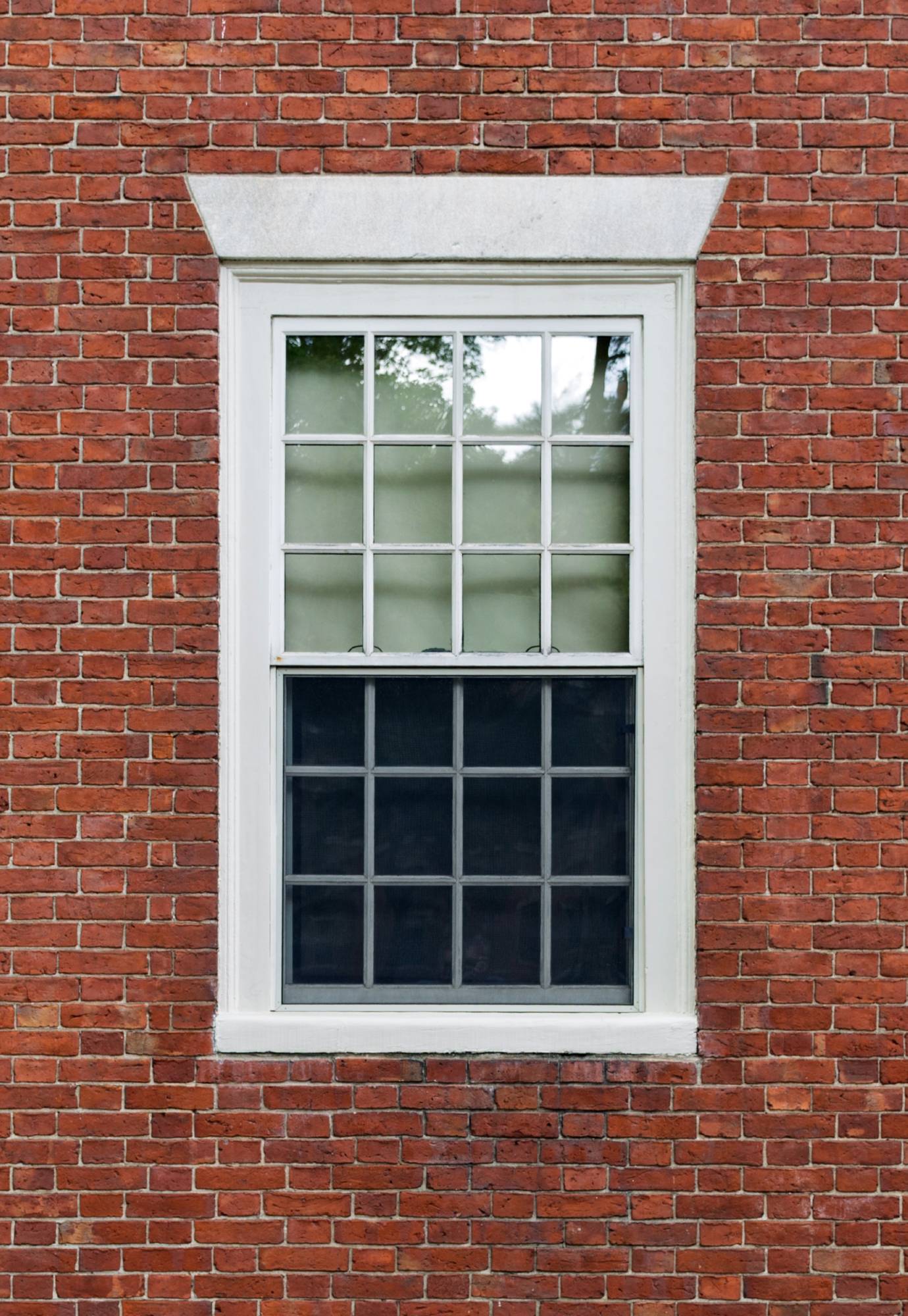
Single pane systems are used where laminate or thin double glazing cannot be accommodated due to shallow rebates in historic frames, or where the client wishes to faithfully replicate the original glass installed in the building.
Single pane plus systems retain an authentic historic appearance while offering improved thermal and acoustic insulation. This option allows buildings to preserve their original character while achieving better U-values and enhanced energy efficiency.
Laminate systems consist of two panes of glass bonded together with a thin insulating interlayer. The outer pane is often produced using hand-drawn glass to maintain historic aesthetics, while the inner pane is typically toughened float glass. This system provides strong thermal and acoustic performance, with typical Ug values of around 3.6, along with up to 98% UV protection.
Thin double glazing systems are insulated units with an air gap that is significantly narrower than that of conventional double glazing. Designed specifically to fit the shallow rebates of historic metal and timber frames, these units are suitable for properties ranging from pre-Georgian and Victorian buildings through to modern structures. Available in various thicknesses, they typically achieve U-values between 1.9 and 1.3, delivering substantial thermal improvement while remaining compatible with historic frames.
Glass Types
There are three types of glass, each with its own distinct characteristics. The choice of glass depends on the period of the property and how closely the client wishes to replicate the original glazing.
Here’s a clear explanation of the three glass types and how they differ:
Hand-Drawn Glass
Hand-drawn glass is made using traditional methods where molten glass is physically drawn upward into a vertical sheet and then flattened. This historic manufacturing process creates subtle imperfections — slight ripples, waves, and small variations in thickness — which give the glass its distinctive character and lively reflections.
Key characteristics:
- Visible movement and distortion in reflections
- Slight thickness variation
- Highly authentic appearance for heritage restoration
- Typically used in conservation and listed buildings
Cylinder Glass
Cylinder glass is a traditional method where molten glass is blown into a large cylinder, the ends are cut off, and the cylinder is split and flattened into a sheet. This process produces more pronounced distortions and surface texture than hand-drawn glass.
Key characteristics:
- Noticeable waves and irregularities
- Slight surface texture
- Strong historic character
- Common in older buildings from the 17th–19th centuries
Float Glass
Float glass is the modern standard for glass production. Molten glass is floated on a bath of molten tin, allowing it to spread out and form a perfectly flat, uniform sheet with consistent thickness and clarity.
Key characteristics:
- Very flat and smooth surface
- Minimal distortion
- Uniform thickness
- High optical clarity
- Used in most contemporary windows and glazing units
This type of glass provides the best visual clarity but lacks the character associated with historic glazing.
In Summary
- Float glass = modern, flat, clear, uniform.
- Hand-drawn glass = subtle movement, authentic heritage appearance.
- Cylinder glass = more pronounced distortion and traditional character.
For restoration work, the choice depends on the age of the building, the desired visual authenticity, and performance requirements.
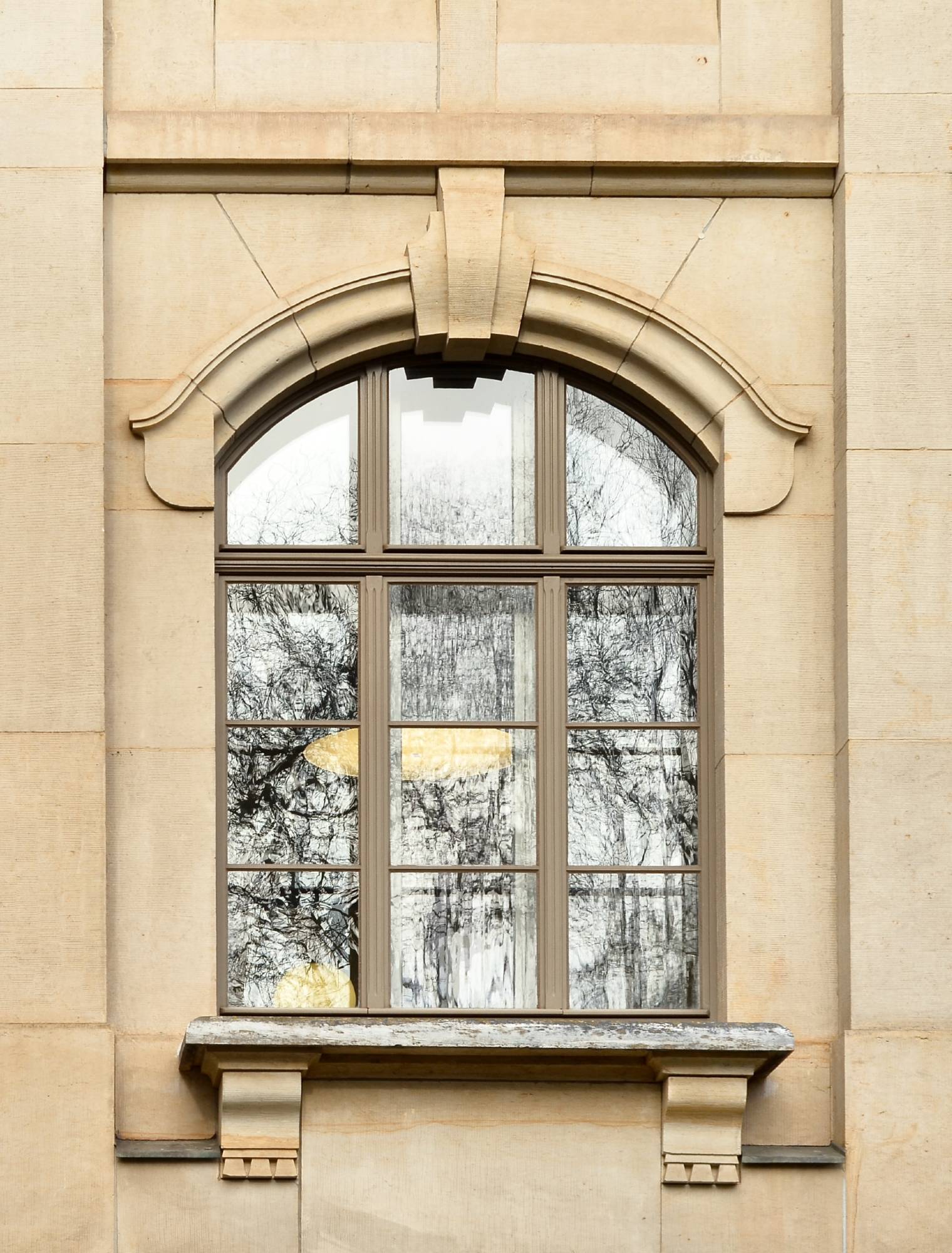
Preserving historic buildings for the future
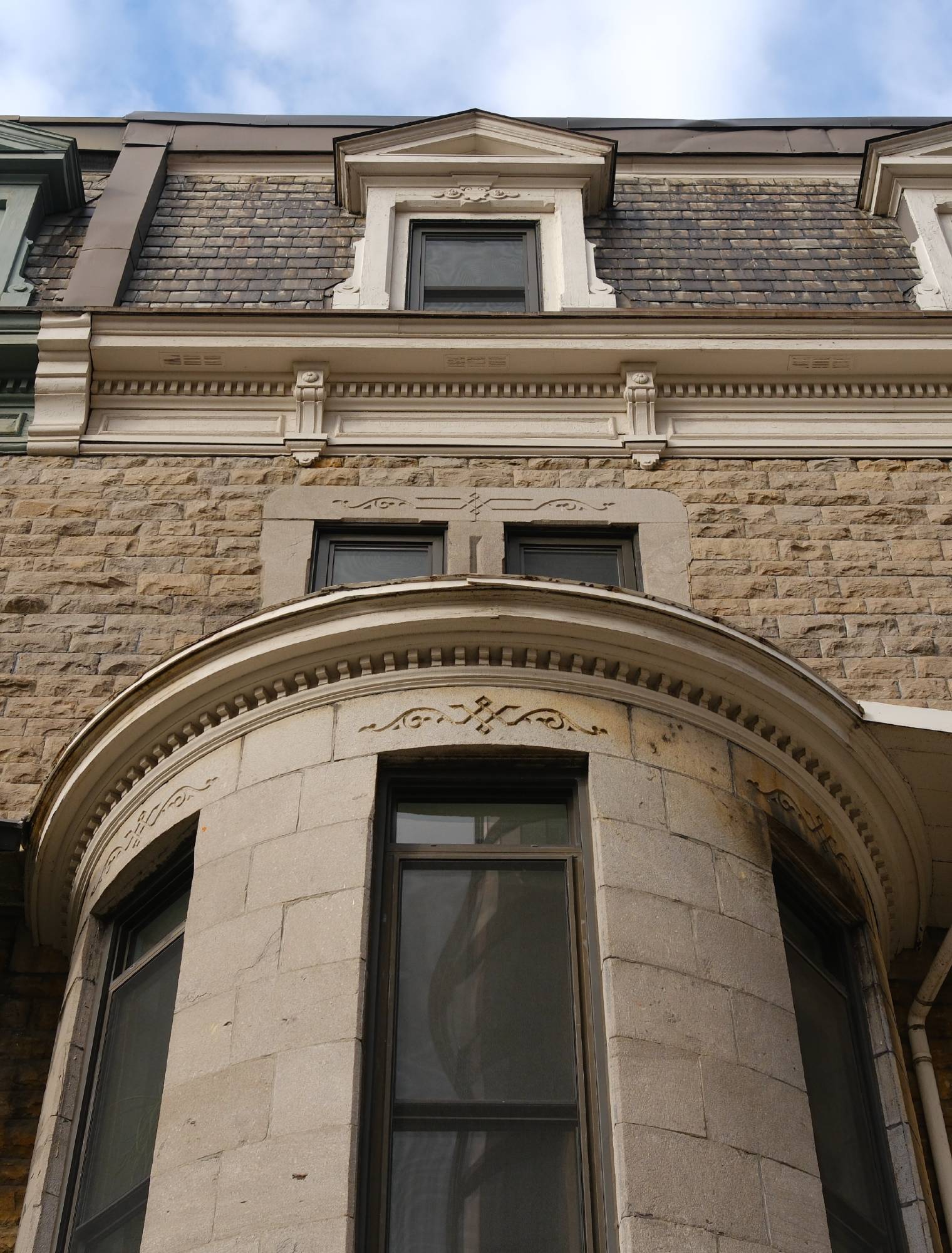
Classic aesthetics with modern thermal performance
